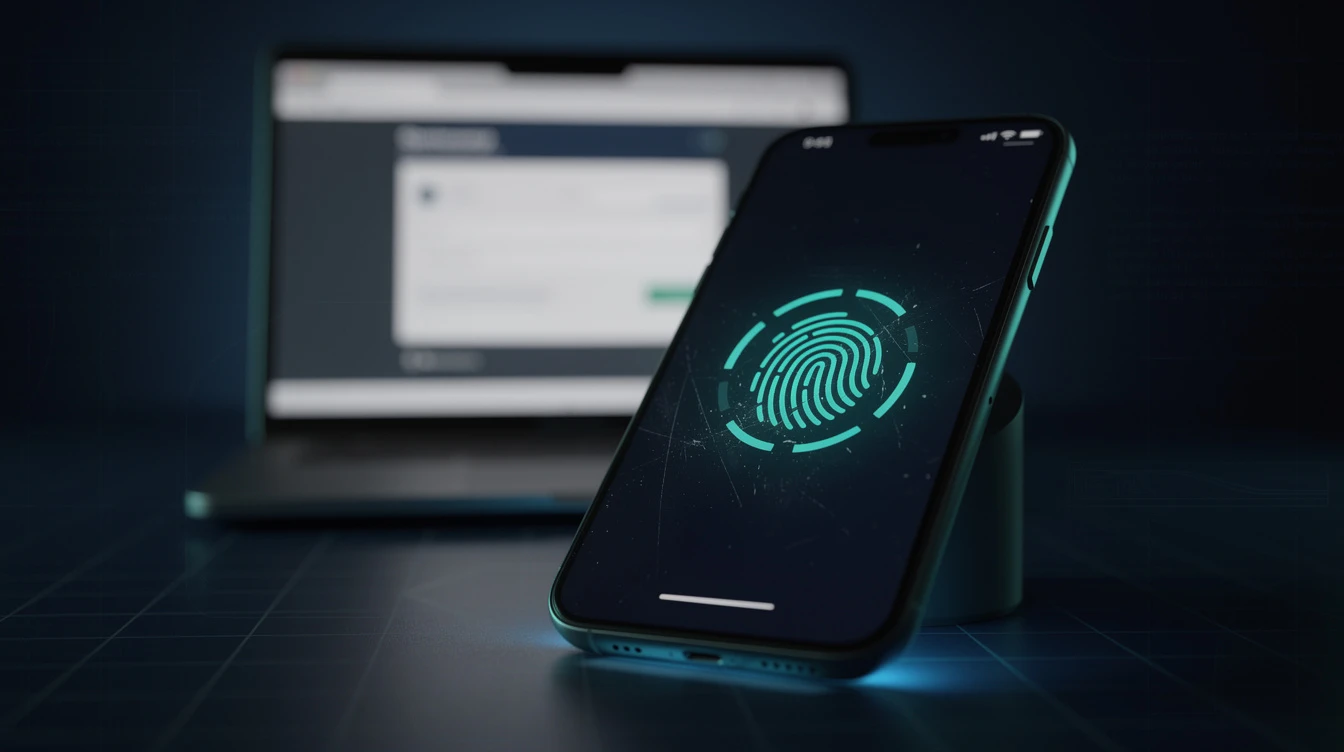
In an era where password breaches are commonplace and cyberattacks grow increasingly sophisticated, relying solely on a username and password is akin to leaving your front door unlocked. For Donegal and Irish Small and Medium-sized Enterprises (SMEs), multi-factor authentication (MFA) is no longer an optional security enhancement; it is a critical first line of defence against unauthorized access and a fundamental requirement for strong cybersecurity.
What is multi-factor authentication (MFA)?
MFA is a security system that requires users to provide two or more verification factors to gain access to an application, online account, or system. Instead of just a password, MFA demands an additional piece of evidence to prove your identity. This significantly increases security because even if one factor is compromised (like a stolen password), an attacker still needs the second factor to gain access.
The three main types of authentication factors are something you know (a password, PIN, or security question), something you have (a physical token, smartphone for app-based codes, or smart card), and something you are (a biometric identifier like a fingerprint, facial scan, or voice recognition). By combining at least two of these distinct factors, MFA creates a much stronger barrier against cybercriminals.
Why MFA is essential for Irish SMEs
Protection Against Stolen Credentials. Phishing attacks, malware, and data breaches often lead to stolen usernames and passwords. Without MFA, these stolen credentials grant attackers immediate access to your systems. Even if an attacker has your password, they cannot log in without the second factor, effectively neutralising the threat of credential theft.
Compliance with Regulations. Regulations like NIS2 and GDPR emphasise strong security measures to protect data and critical systems. While not always explicitly named, MFA is widely recognised as a foundational control for meeting these requirements, particularly for protecting access to sensitive data. Many cyber insurance providers now mandate MFA for certain types of coverage or offer reduced premiums for its implementation.[^3]
Safeguarding Against Phishing and Social Engineering. Phishing remains a primary attack vector. Even if an employee falls victim to a phishing scam and enters their password on a fake site, the attacker still won't have the second authentication factor needed to access the real system.
Securing Remote Work. With the rise of remote and hybrid work, employees access company resources from various locations and devices, expanding the attack surface. MFA is important for securing remote access to VPNs, cloud applications, and internal systems.
Protecting Cloud Services. Cloud-based applications (e.g., Microsoft 365, Google Workspace, CRM systems) are often targeted. Implementing MFA for all cloud service logins is non-negotiable to prevent unauthorized access to your critical business data.
Implementing MFA effectively in your Irish SME
- Identify Critical Systems: Prioritise implementing MFA on systems that contain sensitive data, provide administrative access, or are publicly accessible (e.g., email, cloud applications, VPNs, financial systems).
- Choose the Right MFA Method: While SMS-based MFA is better than no MFA, app-based authenticators (e.g., Google Authenticator, Microsoft Authenticator) or hardware tokens are generally more secure.
- Phased Rollout: Start with privileged users and then roll out to the rest of the organisation. This allows for troubleshooting and user adoption.
- Employee Education: Educate your employees on why MFA is being implemented, how to use it, and its benefits. Provide clear instructions and support.
- Enforce Policy: Configure your systems to enforce MFA requirements. Ensure new accounts are provisioned with MFA enabled by default.
- Regular Review: Periodically review MFA configurations and user adoption to ensure it remains effective and covers all critical access points.
Free Resource: Download The Irish SME Cyber Survival Guide, 10 controls based on NCSC Ireland & ENISA guidance. Plain English, no jargon.
The role of a vCISO in MFA implementation
A Virtual CISO (vCISO) can be an invaluable partner for Irish SMEs in implementing and managing MFA. They can develop a comprehensive MFA strategy tailored to your business needs and risk profile, advise on the most appropriate solutions for your existing infrastructure and budget, and oversee the technical implementation and integration across your critical systems. They can also create clear MFA policies, develop effective training programmes to ensure high user adoption, and ensure your MFA implementation meets regulatory requirements including those enforced by the National Cyber Security Centre (NCSC) Ireland.[^1]
Will your cyber insurance pay out? Check your insurance readiness with our free tool.
Conclusion
Multi-Factor Authentication is a simple yet profoundly effective security control that every Irish SME should prioritise. It provides a strong defence against the most common cyber threats, protects sensitive data, ensures regulatory compliance, and significantly enhances your overall cybersecurity posture. Any confirmed breach incident should be reported to An Garda Síochána's National Cyber Crime Bureau alongside your insurer and relevant regulatory bodies.[^2] By making MFA a mandatory part of your security strategy, you can build a stronger, more resilient business, safeguarding your operations and reputation.
Related reading
- MFA Everywhere: Why Multi-Factor Authentication Is Non-Negotiable in 2026
- Why Insurers Now Require MFA and EDR, and What Happens If You Don't Have Them
- MFA Bypass Phishing: What Irish SMEs Must Do Now
Book a free 20-minute call with our vCISO team. We work with Irish SMEs across every sector, no jargon, no scare tactics, just clear advice on what to do next.
[^1]: NCSC Ireland, Advice for Organisations: https://www.ncsc.gov.ie/advice-for-organisations/ [^2]: An Garda Síochána, Cyber Crime: https://www.garda.ie/en/crime/cyber-crime/ [^3]: Data Protection Commission Ireland: https://www.dataprotection.ie
Pragmatic Security, Cybersecurity advisory for Irish businesses. Based in Donegal, Ireland. CISA, CISSP, CISM certified advisors.