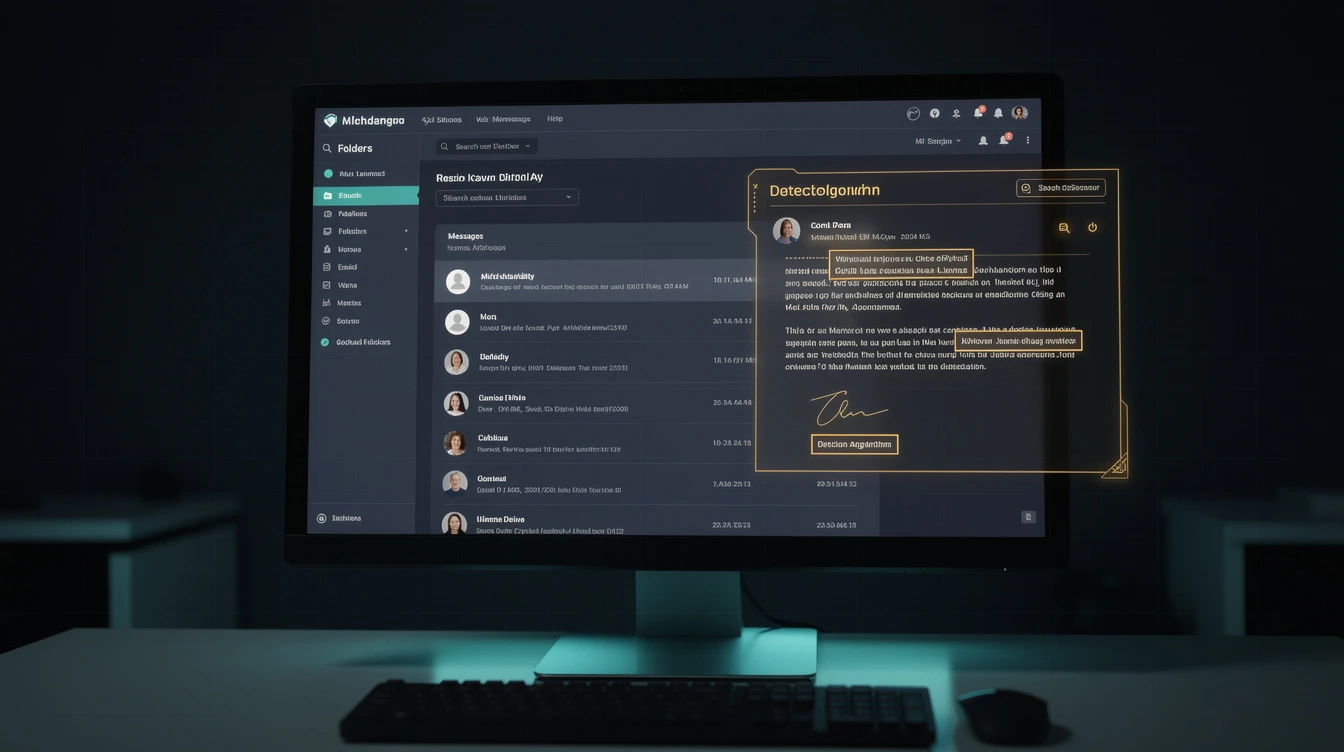
For Donegal and Irish SMEs, Microsoft 365 is the digital backbone of their operations, handling everything from email and document storage to team collaboration. Multi-Factor Authentication (MFA) has long been championed as the single most effective security control, adding a key layer of defence beyond just a password. However, a sophisticated new phishing campaign is actively bypassing MFA, leaving Irish businesses vulnerable to significant financial and reputational damage. This is a direct attack on what many consider their strongest protection.
This campaign targets Microsoft 365 accounts, exploiting a technique known as 'consent phishing' or 'illicit consent grant'. Attackers are abusing the OAuth 2.0 protocol, tricking users into unknowingly granting malicious applications access to their data. The phishing emails themselves are often highly convincing, masquerading as urgent payment requests or critical voicemail notifications, designed to create a sense of urgency and bypass critical thinking.
The problem: how MFA is being bypassed
The core of this attack lies in deception. Instead of trying to steal your password directly, the attacker presents a fake-but-convincing Microsoft sign-in page. When a user attempts to log in, they are subtly tricked into approving a login from the attacker's device. This isn't about guessing your MFA code; it's about manipulating the user into authorising the attacker's access.
Once successful, the attacker gains persistent access to critical Microsoft 365 services like Outlook, Teams, and OneDrive, and without ever needing your password or your MFA code again for subsequent access. This persistent access means they can operate undetected for extended periods, reading emails, sending messages from your account, and accessing sensitive files. The implications for an Irish SME are severe, ranging from immediate financial losses to long-term data breaches.
The consequences for Irish businesses
This type of compromise is a direct pipeline to some of the most damaging cyber threats facing Irish SMEs today. The National Cyber Security Centre (NCSC Ireland) has consistently highlighted Business Email Compromise (BEC) as the top financial fraud threat.[^1] This MFA bypass technique provides attackers with the perfect platform for BEC fraud, allowing them to send fraudulent invoices or payment requests from a legitimate-looking company email address.
One Donegal business lost over €1 million to BEC fraud, a stark reminder of the real-world impact these attacks can have. Beyond BEC, persistent access to Microsoft 365 can lead to ransomware deployment, where attackers encrypt your data and demand payment, or significant data breaches, exposing sensitive customer or company information. The fact that this bypasses MFA, a control many businesses rely on as their primary defence, makes it particularly insidious and dangerous.
Free Resource: Download The Irish SME Cyber Survival Guide, 10 controls based on NCSC Ireland & ENISA guidance. Plain English, no jargon.
The solution: proactive steps to protect your Microsoft 365
Protecting your business against this evolving threat requires a multi-pronged approach, focusing on both technology and human factors. This means enhancing your overall security posture to account for these new bypass techniques, on top of MFA rather than instead of it.
Brief your staff immediately: Inform all employees about this specific MFA bypass phishing technique. Emphasise vigilance regarding suspicious login prompts, even if they appear to be from Microsoft. Train them to recognise the signs of 'consent phishing', unexpected requests for application permissions or unusual login flows. A well-informed employee is your strongest asset against social engineering attacks.
Restrict user consent to applications: By default, users in Microsoft 365 can grant consent to third-party applications. This is what 'consent phishing' exploits. Restrict user consent to only administrator-approved applications in the Azure Active Directory (now Microsoft Entra ID) admin centre. This single change can prevent many illicit consent grants from succeeding.
Implement Conditional Access policies: Conditional Access allows you to enforce specific requirements for accessing Microsoft 365 resources. For example, you can block access from unmanaged devices, require MFA for all cloud apps, or enforce trusted locations. These policies add layers of security that can detect and block suspicious login attempts, even if an attacker has bypassed MFA.
Monitor sign-in logs and audit trails: Regularly review Microsoft 365 sign-in logs for unusual activity, such as logins from unfamiliar locations, impossible travel scenarios, or excessive failed login attempts. Audit logs can also reveal when applications are granted consent. Early detection is what makes containing a breach possible.
Action: secure your Microsoft 365 environment today
This active MFA bypass phishing campaign is a serious threat that demands immediate attention from Irish SMEs. By implementing the actions outlined above, staff training, restricting app consent, using Conditional Access, and monitoring logs, you can significantly harden your Microsoft 365 environment. If a breach occurs, An Garda Síochána's National Cyber Crime Bureau should be notified alongside your insurer and the Data Protection Commission Ireland.[^2] [^3] Don't wait until your business becomes another statistic; proactive security is the only effective defence.
Related reading
- How to Spot a Phishing Email: A Plain-English Guide for Donegal Business Owners
- Starkiller Phishing Kit: Why MFA Alone Is No Longer Enough for Irish Businesses
- MFA Everywhere: Why Multi-Factor Authentication Is Non-Negotiable in 2026
Book a free 20-minute strategy call with our vCISO team. We work with small and medium businesses across Ireland, no jargon, no scare tactics, just clear actionable advice.
[^1]: NCSC Ireland, Advice for Organisations: https://www.ncsc.gov.ie/advice-for-organisations/ [^2]: An Garda Síochána, Cyber Crime: https://www.garda.ie/en/crime/cyber-crime/ [^3]: Data Protection Commission Ireland: https://www.dataprotection.ie
Pragmatic Security, Cybersecurity advisory for Irish businesses. Based in Donegal, Ireland. CISA, CISSP, CISM certified advisors.