Sligo, the heart of Yeats Country and a jewel on the Wild Atlantic Way, captivates visitors with its dramatic landscapes, world-class surfing, and vibrant culture. As tourism and activity businesses across the county embrace digital tools to manage bookings, payments, and marketing, they also open their doors to a less welcome visitor: the cybercriminal. From a small guesthouse in Strandhill to a bustling activity provider in Sligo town, any business handling data online is a potential target.
This reliance on technology is essential for growth, but it carries risks that can undermine a business's hard-earned reputation and financial stability. Cyber threats are not just a problem for big corporations; they are a clear and present danger to the small and medium-sized enterprises that form the backbone of Sligo's thriving tourism sector. Understanding these risks is the first step to building a resilient business that can safely welcome guests in the digital age.
The Digital Risks Facing Sligo's Tourism Sector
The very nature of the tourism industry—high volumes of online transactions, valuable customer data, and public-facing digital platforms—creates a perfect storm for cyberattacks. For businesses in Sligo, the specific challenges are both unique and universal.
Booking System Security: Your booking platform, whether integrated into your own website or managed through a third party, is the digital front door to your business. A compromise could lead to attackers stealing customer payment details, intercepting booking payments, or even taking your system offline entirely, causing chaos for your operations and your guests.
Guest Payment Data: Tourism businesses process a significant amount of sensitive payment card information. Failure to protect this data not only exposes your customers to fraud but also puts your business at risk of severe financial penalties under the Payment Card Industry Data Security Standard (PCI DSS) and GDPR. The Data Protection Commission (DPC) of Ireland takes a hard line on data breaches.
Insecure Guest Wi-Fi: Offering free Wi-Fi is a standard amenity, but an unsecured network can be a gateway for attackers to spy on your guests' online activity or, worse, pivot to your internal business network, accessing sensitive operational data. A single compromised network can affect dozens of guests and your core systems.
Seasonal Staff Turnover: The seasonal nature of tourism often means a high turnover of staff. Without proper security training and robust offboarding procedures, former employees might retain access to critical systems, or new staff may inadvertently cause a data breach through simple errors, like falling for a phishing email.
Online Reputation Management: Your online presence, from your website to your social media profiles and TripAdvisor reviews, is a valuable asset. Cybercriminals can hijack social media accounts to post malicious content or run scams, and fake review campaigns can be used to either damage your reputation or artificially boost a competitor's.
The Consequences: More Than Just Lost Bookings
A cyberattack can have devastating and far-reaching consequences that go beyond the immediate financial loss. For a Sligo tourism business, the ripple effects can threaten its very existence.
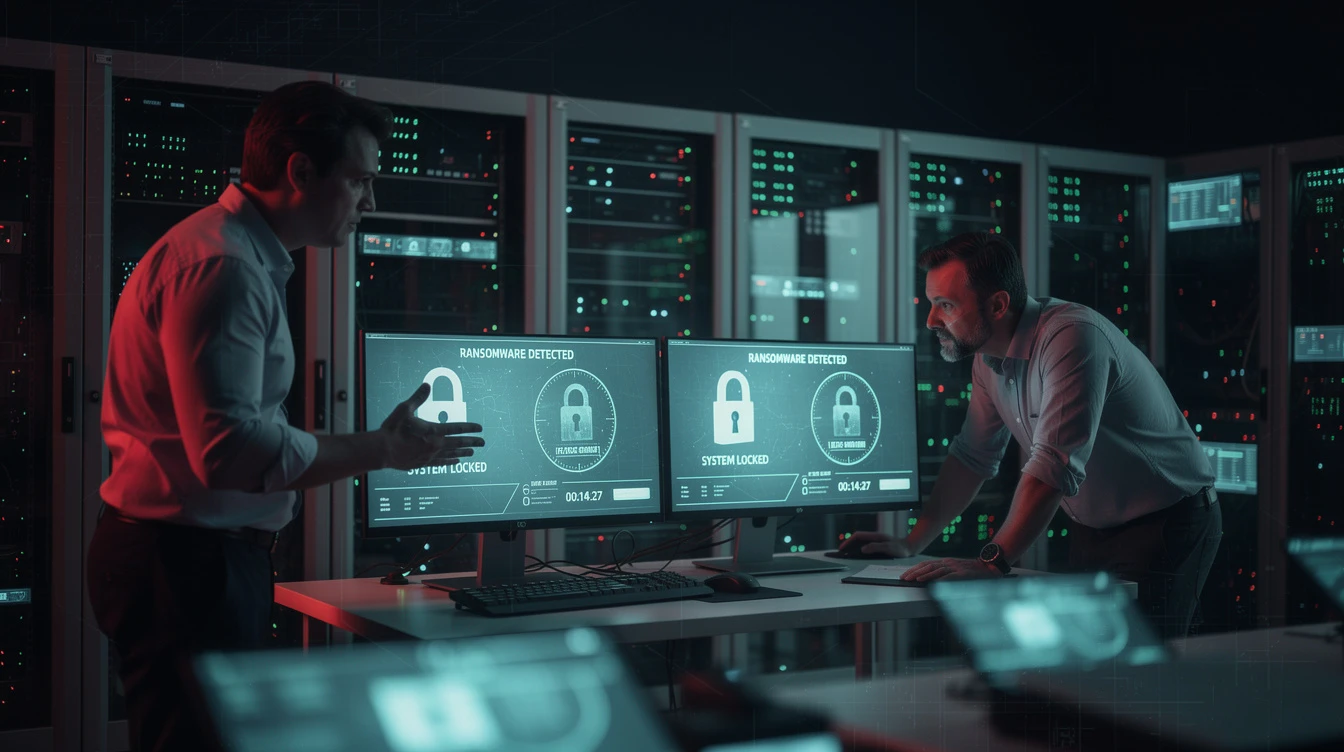
The financial damage from a cyber incident can be crippling. This includes the direct loss from fraudulent transactions, the cost of rebuilding a compromised system, and potential fines from regulatory bodies like the DPC. As a recent incident showed, a Sligo hotel was forced offline for three days due to a ransomware attack, a stark reminder of the real-world impact of these digital threats.
Perhaps even more damaging is the loss of trust. A business that suffers a data breach or has its booking system compromised will find it incredibly difficult to regain the confidence of its customers. In a close-knit industry that relies on word-of-mouth and positive reviews, a damaged reputation can be a fatal blow. This not only affects the individual business but can tarnish the image of Sligo as a safe and trustworthy destination for visitors.
Free Resource: Not sure where your business stands on cyber risk? Download The Irish SME Cyber Survival Guide — a free, plain-English guide to the 10 essential controls every Irish business needs.
Practical Steps to Secure Your Sligo Tourism Business
Protecting your business doesn't require a huge budget or a dedicated IT team. It starts with a proactive mindset and the implementation of fundamental security controls. These practical steps can significantly reduce your risk and build a stronger, more secure business.
Secure Your Booking and Payment Systems:
- Enable Multi-Factor Authentication (MFA) on all administrative accounts. This single step is one of the most effective ways to prevent unauthorised access.
- Use strong, unique passwords for every system and change them regularly.
- Ensure your payment processor is fully PCI DSS compliant. This outsources much of the risk and complexity of handling card data.
- Keep all software, including your website's content management system and plugins, updated to patch any known vulnerabilities.
Safeguard Your Networks:
- Create separate Wi-Fi networks for guests and business operations. Your point-of-sale and back-office systems should never be on the same network as your guests.
- Secure your internal network with a firewall and ensure your Wi-Fi is encrypted using the WPA2 or WPA3 standard.
Train Your Team:
- Your staff are your first line of defence. Provide regular training on how to spot phishing emails and handle customer data securely.
- Implement clear procedures for new hires and a checklist for leavers to ensure access to all systems is promptly revoked when a staff member departs.
Protect Your Online Reputation:
- Use MFA and strong passwords on all your social media accounts.
- Regularly monitor online review platforms for suspicious activity.
- Have a plan for how you would respond if one of your accounts was compromised.
Build a More Resilient Business Today
Cybersecurity is no longer an optional extra; it's a fundamental part of running a successful and sustainable tourism business in Sligo. By taking proactive and practical steps, you can protect your guests, your reputation, and your bottom line. Don't wait for an incident to force your hand. Start building your defences today.
Ready to take the next step? Book Your Free Consultation to discuss your specific needs in a no-obligation, 20-minute call, or Download Our Free Guide to get started on your own.
Related Reading
- Cybersecurity for Sligo Retail Businesses: A Guide for Shop Owners
- Five Things Every Donegal Business Owner Should Do This Week to Reduce Cyber Risk
- Demystifying Cyber Insurance: What Irish SMEs Need to Know Before Buying
[^1]: NCSC Ireland — Advice for Organisations [^2]: An Garda Síochána — Cyber Crime [^3]: Data Protection Commission Ireland
Pragmatic Security — Cybersecurity advisory for Irish businesses. Based in Donegal, Ireland. CISA, CISSP, CISM certified advisors.