The rapid digitisation of the legal world brings immense efficiency, but it also opens the door to significant cyber threats. For solicitors and law firms in Sligo, from the bustling town centre to practices serving the wider county, the risk is no longer theoretical. It's a daily reality. Your firm holds a treasure trove of sensitive information, client data, financial records, and confidential details of property transactions. This makes you a prime target for cybercriminals.
Just as a physical office requires strong locks and alarms, your digital operations demand strict security measures. The consequences of a breach extend far beyond financial loss; they can shatter client trust, damage your reputation, and lead to severe regulatory penalties under GDPR. For legal practices across the North West, from Sligo Town to rural Donegal, understanding and mitigating these risks is a core part of running the business. With strong support from organisations like the Sligo Chamber and a growing tech scene backed by ATU Sligo, local businesses are increasingly aware of the need for digital resilience.
The problem: why Sligo law firms are in the crosshairs
Cybercriminals are sophisticated and targeted in their approach. They know that law firms handle large financial transactions and sensitive data, making them lucrative targets. The specific threats facing Sligo solicitors are multifaceted:
Conveyancing & Real Estate Fraud: Property transactions are a major target. Criminals use sophisticated techniques, such as Business Email Compromise (BEC), to intercept communications between your firm and your clients. They create fake email accounts that look almost identical to yours, tricking clients into transferring deposits and payments into fraudulent bank accounts. As we've seen with BEC fraud targeting Donegal firms every week, the threat is local and very real.
Client Data Breaches: Your firm is a custodian of highly confidential client information. This can include everything from personal identity documents and financial statements to sensitive case details. A data breach, whether through a phishing attack or a malware infection, can expose this data, leading to identity theft and fraud for your clients.
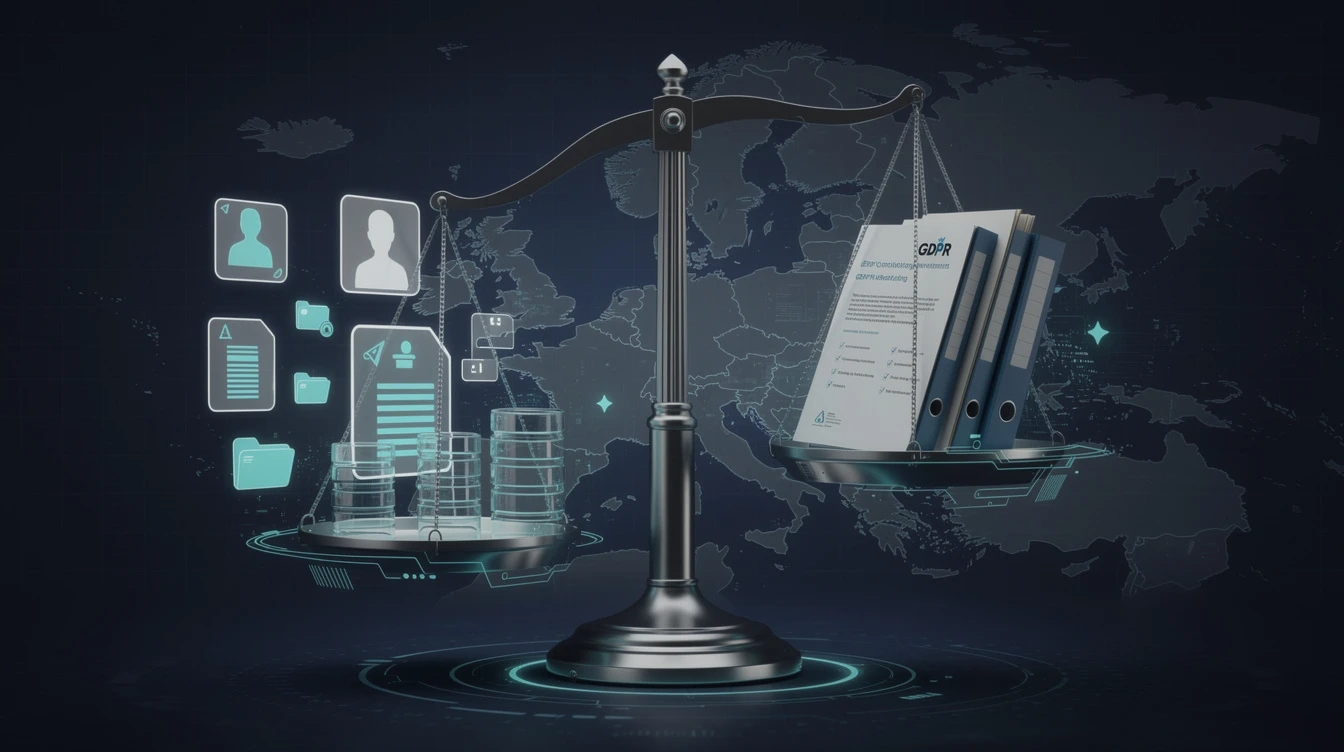
GDPR & Regulatory Compliance: The Data Protection Commission (DPC) has made it clear that all organisations, including law firms, have a legal duty to protect personal data. A breach can result in fines of up to €20 million or 4% of your firm's annual turnover. The reputational damage and loss of client confidence can be even more costly.
The consequence: more than just financial loss
A cyber-attack can have devastating and far-reaching consequences for a Sligo law firm. The immediate financial loss from a fraudulent transaction is often just the beginning. The subsequent costs can include:
- Regulatory Fines: Significant penalties from the DPC for failing to protect client data.
- Reputation Damage: The loss of trust among clients and the wider community can be irreparable. A reputation for being insecure can drive clients to your competitors.
- Business Disruption: A ransomware attack can lock you out of your systems for days or even weeks, grinding your operations to a halt and preventing you from serving your clients.
- Legal Action: Clients who have suffered financial loss or whose data has been compromised may take legal action against your firm.
For a sector built on trust and confidentiality, the fallout from a cyber incident can be catastrophic. It's a risk that no practice, from the sole practitioner to the large firm, can afford to ignore.
Free Resource: Download The Irish SME Cyber Survival Guide to get a comprehensive overview of the threats and how to mitigate them.
The solution: practical steps to secure your practice
There are practical, achievable steps you can take to significantly reduce your risk. It's not about becoming a cybersecurity expert overnight; it's about implementing a series of common-sense controls and building a culture of security within your firm.
Email is the number one attack vector, so secure it first. Learn how to spot a phishing email in plain English. Implement multi-factor authentication (MFA) on your email accounts. It adds a layer of security that makes it much harder for criminals to gain access even if they have your password.
For any financial transaction, especially in conveyancing, verify bank details verbally over the phone using a known and trusted number. Never trust bank details sent or changed via email. Inform your clients of this policy from the outset.
Your staff are your first line of defence. Provide regular training on cybersecurity best practices, covering everything from password hygiene to identifying suspicious emails. A well-trained team is one of your strongest security assets.
Ensure you have a reliable, regularly tested data backup strategy as your safety net in the event of a ransomware attack. Your backups should be stored separately from your main network.
Cyber insurance can provide a financial backstop in the event of a major incident, covering costs such as data recovery, legal fees, and PR support. Our local guide to cyber insurance for Sligo & Donegal SMEs provides more detail.
Your next step: take action today
Protecting your Sligo law firm from cyber threats is an ongoing process, not a one-time fix. The threats keep changing, and so too must your defences. By taking a proactive approach, you can protect your clients, your reputation, and your business.
Don't wait until it's too late. Start the conversation about cybersecurity in your practice today.
Ready to take the next step? Book a free, no-obligation 20-minute consultation to discuss your firm's specific needs.
Book Your Free 20-Minute Consultation | Download Our Free Guide
Related reading
- A Donegal Business Lost €47,000 in 48 Hours: Here Is Exactly What Happened
- Email Security for Irish Businesses: SPF, DKIM and DMARC Explained
- Data Protection for Irish Professional Services Firms: GDPR and Beyond
[^1]: NCSC Ireland, Advice for Organisations [^2]: An Garda Síochána, Cyber Crime [^3]: Data Protection Commission Ireland
Pragmatic Security, Cybersecurity advisory for Irish businesses. Based in Donegal, Ireland. CISA, CISSP, CISM certified advisors.