The agri-food industry is the lifeblood of County Sligo, from the rich pastures that produce world-class dairy and livestock to the innovative food producers celebrated by the Sligo Food Trail. As technology becomes more integrated into every aspect of the sector, from farm management to food distribution, a new and significant risk has emerged: cybersecurity.
For many Sligo agri-food businesses, the threat of a cyber attack can feel distant and abstract. The focus is rightly on production, quality, and meeting the stringent standards of bodies like Bord Bia. However, the very systems that drive efficiency and ensure quality — food traceability platforms, supply chain databases, and Internet of Things (IoT) devices on the farm — are increasingly targeted by cybercriminals. The consequences of a breach can be devastating, impacting not just one business but the entire supply chain.
This article explains the specific cyber risks facing Sligo's agri-food sector, the potential consequences for your business, and the practical, actionable steps you can take to protect your operations, your data, and your reputation.
The Problem: Your Data is a High-Value Target
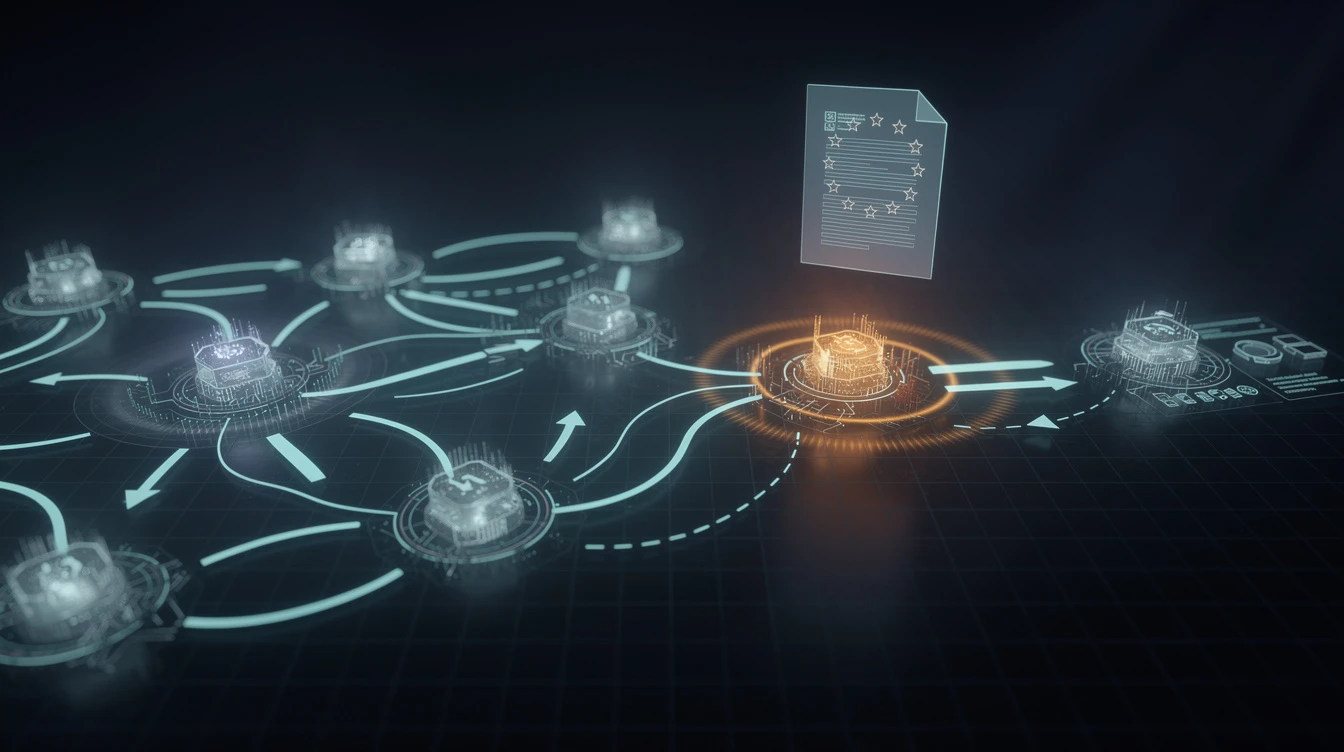
Modern agri-food businesses run on data. This data is not just valuable to you; it's a prime target for criminals who understand its importance. A successful attack can disrupt your operations, compromise food safety, and lead to significant financial loss. The core of the issue lies in the interconnected systems that manage everything from farm to fork.
Consider the critical data underpinning your business:
- Food Traceability Systems: These systems are essential for quality assurance and regulatory compliance, tracking a product from its origin to the consumer. If this data is altered or encrypted, it can make a product recall impossible or lead to fraudulent products entering the market, destroying consumer trust.
- Supply Chain Data: Your business relies on a complex network of suppliers and distributors. A breach in one part of the chain can have a domino effect. Imagine your logistics partner being hit by ransomware. Suddenly, your delivery schedules are in chaos, and your cold chain monitoring data could be lost or corrupted.
- IoT in Farming: Smart farming is on the rise across the North West. Drones, soil sensors, and automated feeding systems, often developed with support from institutions like ATU Sligo, generate vast amounts of data to optimise yields and improve animal welfare. But each of these connected devices is a potential entry point for an attacker if not properly secured.
- Bord Bia & Quality Assurance Data: The data you collect to meet Bord Bia's rigorous standards is a testament to your quality. If this data is compromised, it could lead to a loss of certification, reputational damage, and exclusion from premium markets.
Free Resource: Download The Irish SME Cyber Survival Guide — 10 controls based on NCSC Ireland & ENISA guidance. Plain English, no jargon.
The Consequence: More Than Just Financial Loss
The impact of a cyber attack goes far beyond the immediate financial cost of remediation. For a Sligo-based food producer, the consequences can be existential.
A ransomware attack that encrypts your traceability and production data could halt your operations for days or even weeks. Perishable goods could be lost, contracts could be breached, and the trust you've built with customers and partners could be irrevocably damaged. The Sligo Chamber of Commerce has highlighted the importance of resilience in local businesses, and cybersecurity is a critical component of that resilience.
Furthermore, a data breach involving sensitive commercial information or employee data brings regulatory scrutiny from the Data Protection Commission (DPC). The fines and legal costs associated with a GDPR breach can be substantial. The National Cyber Security Centre (NCSC) Ireland regularly warns that food and agri-food businesses are increasingly targeted precisely because of the high-value data they hold and the critical nature of their operations. An Garda Síochána's National Cyber Crime Bureau has also issued specific guidance to businesses in this sector.
The Solution: Practical Steps to Build Cyber Resilience
Protecting your agri-food business doesn't require a background in cybersecurity. It requires a proactive approach focused on managing risk. Here are practical, achievable steps you can take today.
Identify and Secure Your Critical Assets: Start by mapping out your most critical systems. Where is your traceability data stored? Who has access to your supply chain logistics? Which IoT devices are connected to your network? Once you know what you need to protect, you can focus your efforts.
Control Access: Implement strong access controls. Not everyone in your organisation needs access to every system. Use unique, complex passwords for all accounts and, most importantly, enable multi-factor authentication (MFA) wherever possible. MFA is one of the single most effective controls for preventing unauthorised access.
Secure Your IoT Devices: When deploying new farm technology, ask your supplier about their security practices. Change default passwords immediately and ensure the device's software is kept up to date. Isolate these devices on a separate Wi-Fi network if possible, to prevent an infection from spreading to your core business systems.
Plan for an Incident: No security is perfect. The key is to have a plan for when things go wrong. An Incident Response Plan outlines who to call and what to do in the event of a breach. This plan should include regularly backing up your critical data. Ensure your backups are stored offline and tested regularly to ensure they can be restored.
Review Your Insurance: Cyber insurance is becoming an essential safety net for businesses in the North West. It can cover the costs of business interruption, data recovery, and legal fees.
Train Your People: Your employees are your first line of defence. Provide regular training on how to spot phishing emails, the importance of strong passwords, and the company's security policies. A security-aware culture is a powerful deterrent.
Ready to Strengthen Your Security?
Protecting your Sligo agri-food business from cyber threats is not a one-time project; it's an ongoing process of risk management. By taking a structured, proactive approach, you can safeguard your operations, protect your hard-earned reputation, and ensure the continued success of your business in the vibrant North West economy.
If you are concerned about the security of your operations, a 20-minute, no-obligation chat can help you understand your risks and prioritise your next steps.
Pragmatic Security works with Irish SMEs to build practical, proportionate cybersecurity programmes that protect your business, satisfy regulators, and give you confidence.
Book a free 20-minute strategy call today — no jargon, no hard sell, just practical advice from an experienced Irish cybersecurity professional.
Book Your Free Consultation | Download Our Free Guide
[^1]: NCSC Ireland — Advice for Organisations. https://www.ncsc.gov.ie/advice-for-organisations/ [^2]: An Garda Síochána — Cyber Crime. https://www.garda.ie/en/crime/cyber-crime/ [^3]: Data Protection Commission — Organisations. https://www.dataprotection.ie
Related Reading
- Cybersecurity for Donegal's Agri-Food and Fisheries Sectors
- Cybersecurity for Irish Agricultural and Food Businesses
- Cybersecurity for Sligo Accountancy Firms
Pragmatic Security — Cybersecurity advisory for Irish businesses. Based in Donegal, Ireland. CISA, CISSP, CISM certified advisors.