Criminals do not care that you are a charity. They care that you have money and weak defences. This stark reality often surprises many in the non-profit sector, especially dedicated organisations in places like Donegal, who believe their mission makes them immune to cyber threats. Unfortunately, the opposite is true. Charities hold valuable data, manage significant funds, and often operate with limited IT resources, making them attractive targets for cybercriminals. The consequences of a cyberattack can be devastating, impacting donor trust, financial stability, and the ability to deliver vital services to the community.
The Growing Threat to Donegal's Charitable Sector
Many Donegal charities and community organisations, from small local groups to larger regional bodies, focus their energy on their core mission: helping others. This dedication, while admirable, often means cybersecurity takes a backseat. Cybercriminals exploit this, seeing an opportunity in organisations that may not have dedicated IT security teams or robust protective measures in place. The threats are varied and sophisticated, ranging from phishing scams designed to steal credentials to ransomware attacks that lock down critical systems and data. The perception that charities are not targets is a dangerous misconception that leaves them vulnerable.
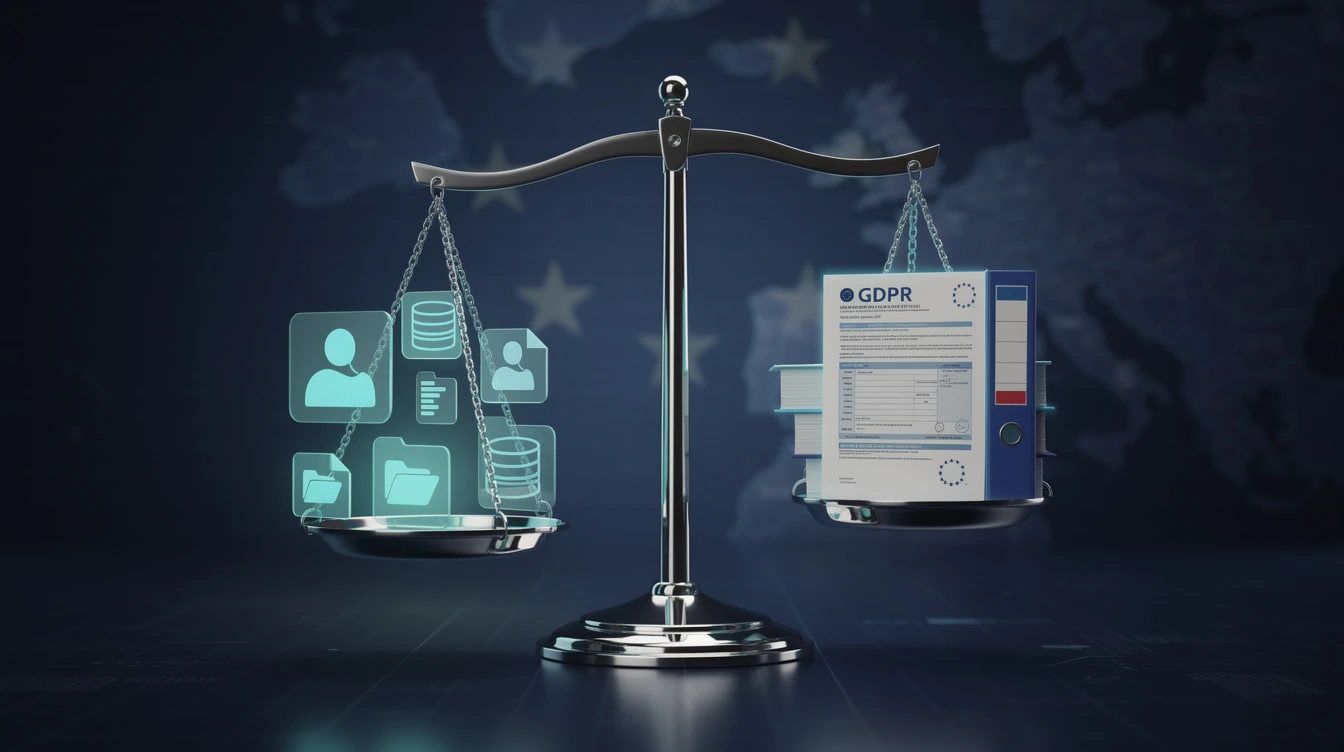
One significant area of concern is donor data. Charities collect and store sensitive personal information about their donors, including names, addresses, and payment details. Under GDPR (General Data Protection Regulation), protecting this data is not just good practice; it's a legal obligation. A breach of donor data can lead to severe reputational damage, loss of trust, and hefty fines from the Data Protection Commission Ireland. Imagine a Donegal charity, built on years of community trust, suddenly facing public scrutiny and financial penalties because donor information was compromised. This isn't a hypothetical scenario; it's a growing risk for organisations across Ireland.
The Financial Impact: Grant Fraud and Fundraising Platform Compromise
Beyond data breaches, charities are increasingly falling victim to financial fraud. Grant fraud, where cybercriminals redirect legitimate grant payments to their own accounts, is a particularly insidious threat. This often begins with sophisticated phishing emails that impersonate grant-making bodies or senior staff, tricking finance teams into changing bank details. The Central Bank of Ireland has repeatedly warned about the rise of payment fraud, and charities, with their often lean administrative structures, can be particularly susceptible. Losing a significant grant due to fraud can cripple a charity's ability to operate, directly impacting the services they provide to vulnerable communities in Donegal.
Another critical vulnerability lies in fundraising platforms. Many charities rely on third-party online platforms to collect donations. If these platforms are compromised, not only can donor funds be stolen, but the personal and financial data of hundreds or thousands of supporters can be exposed. This type of attack erodes public confidence in online giving, making it harder for all charities to raise essential funds. The ripple effect of such a compromise can extend far beyond the immediate financial loss, damaging the entire sector's credibility. Protecting these digital fundraising channels is as vital as securing physical cash donations.
Internal Risks: Volunteer Access and Human Factors
Charities often depend heavily on volunteers, who are invaluable to their operations. However, managing volunteer access to systems and data presents unique cybersecurity challenges. Volunteers may use personal devices, access systems from various locations, and might not receive the same level of cybersecurity training as paid staff. This can create unintentional vulnerabilities, as a compromised personal device or a lapse in judgment can open the door for cybercriminals. Effective access management, ensuring volunteers only have access to the information and systems strictly necessary for their roles, is crucial. This principle of 'least privilege' is a cornerstone of good cybersecurity. For more on foundational security practices, visit our /blog.
Human factors, such as susceptibility to phishing or social engineering, remain the weakest link in any organisation's security chain. Criminals are adept at exploiting human trust and curiosity. An email disguised as an urgent request from a board member or a plea for help from a beneficiary can easily trick an unsuspecting volunteer or staff member into clicking a malicious link or revealing sensitive information. Security awareness training, tailored to the specific context of a charity, is not a luxury but a necessity. It's like teaching someone to swim before they get in the water; you equip them with the skills to navigate potential dangers.
Not sure where your business stands on cyber risk? Download the Irish SME Cyber Survival Guide — a free, plain-English guide to the 10 controls every Irish business needs. No jargon, no sales pitch.
Five Low-Cost Cybersecurity Controls for Charities
Protecting a charity's mission doesn't require an unlimited budget. Many effective cybersecurity controls are low-cost or even free, focusing on good practices and readily available tools. Implementing these can significantly reduce a charity's risk profile. Here are five essential controls that Donegal charities and not-for-profits can adopt today:
| Control | Description | Benefit | Cost | Effort |
|---|---|---|---|---|
| 1. Strong Passwords & MFA | Use unique, complex passwords and enable Multi-Factor Authentication (MFA) on all accounts. | Prevents unauthorised access even if passwords are stolen. | Free (built-in to most services) | Low |
| 2. Regular Backups | Back up all critical data regularly to an offline or cloud location. | Allows recovery from ransomware attacks or data loss. | Low (cloud storage costs) | Medium |
| 3. Security Awareness Training | Educate staff and volunteers about phishing, social engineering, and safe online practices. | Turns people into a strong defence, not a weak link. | Low (free resources, internal training) | Medium |
| 4. Software Updates | Keep all operating systems, applications, and antivirus software up to date. | Patches known vulnerabilities that criminals exploit. | Free (automatic updates) | Low |
| 5. Access Control | Limit access to sensitive data and systems based on job role (least privilege). | Reduces the impact of a compromised account. | Free (policy-based) | Low |
These controls, while seemingly simple, form a robust foundation for cybersecurity. They address common attack vectors and provide significant protection against a wide range of threats. For instance, enabling MFA, which requires a second form of verification beyond a password, can block over 99% of automated attacks, according to NCSC Ireland. This single step is a powerful deterrent against credential theft, a common tactic used in grant fraud and data breaches. To understand more about the regulatory landscape, see our article on NIS2 Compliance.
How compliant is your business? Check your compliance readiness with our free Compliance Checker.
Building Resilience in the Community
For charities in Donegal, building cyber resilience is not just about protecting their own organisation; it's about safeguarding the trust of their donors and the well-being of the communities they serve. A cyberattack can disrupt food banks, delay support for vulnerable families, or halt essential community programs. The impact extends far beyond financial loss, touching the very fabric of local society. By adopting proactive cybersecurity measures, charities demonstrate their commitment to responsible stewardship and ensure their vital work can continue uninterrupted. This proactive approach helps maintain the integrity of their mission and reinforces public confidence. For a deeper dive into managing cyber risks, explore our /glossary of key terms.
Related Reading
- The Cybersecurity Conversation Every Donegal Business Owner Should Have With Their IT Provider.
- Cybersecurity for Donegal Transport and Logistics Companies.
- Cybersecurity for Donegal Credit Unions: Protecting Member Data and Financial Integrity.
Ready to find out exactly where your business stands? Book a free 20-minute strategy call with our vCISO team at www.pragmaticsecurity.ie/book-a-call. No sales pitch. No jargon. Just clarity on your cyber risk — and a clear plan to address it.
[^1]: NCSC Ireland — Advice for Organisations. https://www.ncsc.gov.ie/advice-for-organisations/ [^2]: An Garda Síochána — Cyber Crime. https://www.garda.ie/en/crime/cyber-crime/ [^3]: Data Protection Commission — Organisations. https://www.dataprotection.ie
Pragmatic Security — Cybersecurity advisory for Irish businesses. Based in Donegal, Ireland. CISA, CISSP, CISM certified advisors.